The Balance of Freedom: Life Inside a Medium Security Prison
As we navigate through the intricate web of law enforcement and criminal justice system, one aspect that often garners curiosity and contemplation is the world within the walls of a medium security federal prison. The term “medium security” itself may evoke a diverse range of perceptions and assumptions, yet the reality is a nuanced blend of structure, hierarchy, and rehabilitation. Within these institutions, individuals find themselves straddling a delicate balance between restricted freedoms and the opportunity for personal growth and redemption.
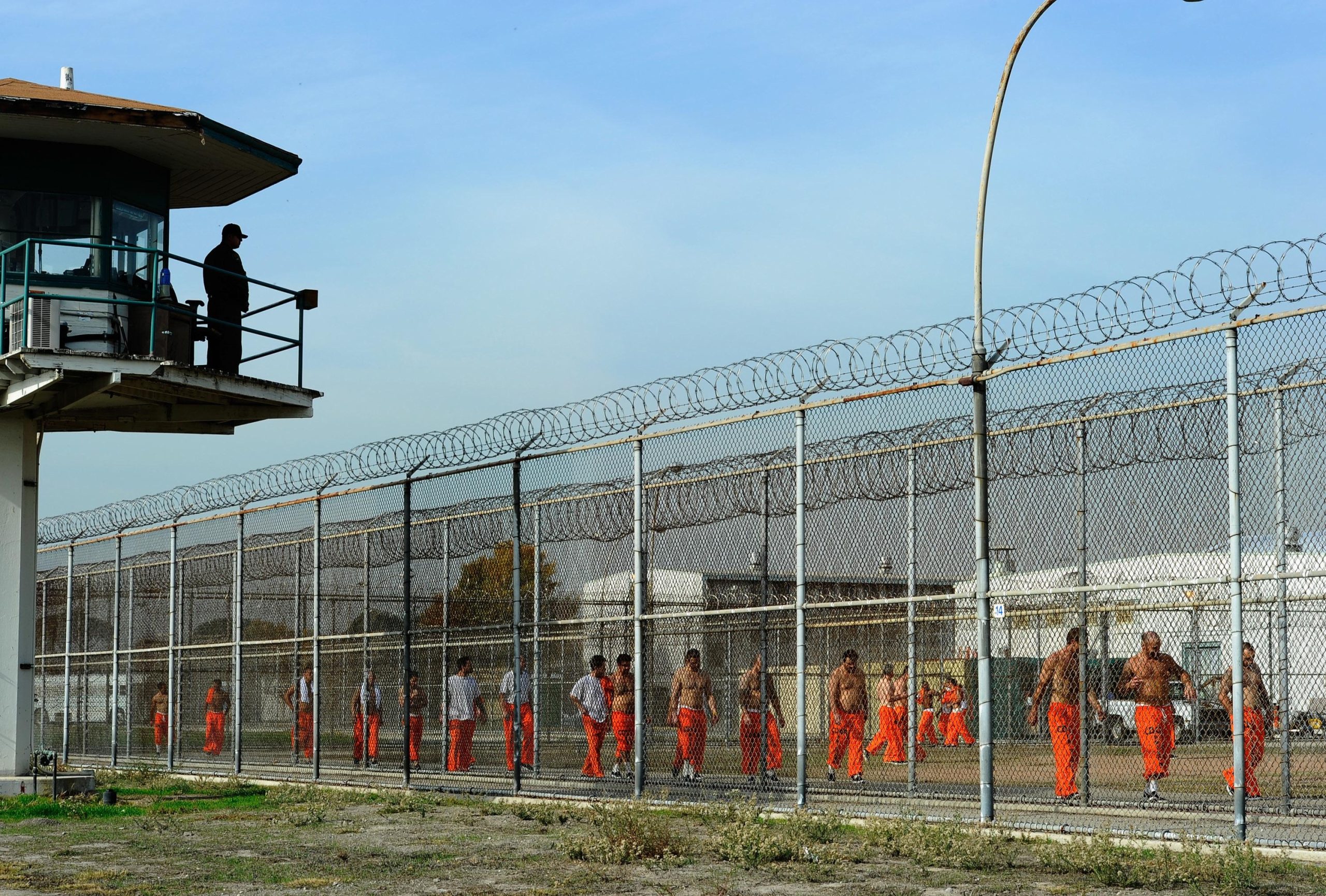
Security Levels in Prisons
In the United States prison system, different institutions are classified into various security levels based on the risks posed by the inmates and the level of control needed. Medium security prisons are one such classification, with a focus on providing a balance between security measures and prisoner liberties.
Medium security federal prisons typically house inmates who have committed less severe offenses compared to those in maximum-security facilities. The security measures in place are stricter than in minimum-security prisons, but not as stringent as in maximum-security ones. This level of security is designed to prevent escapes and maintain order while allowing inmates more freedom of movement and participation in structured activities.
Security features in medium security prisons often include secure perimeters, electronic monitoring systems, and regular patrolling by correctional officers. Inmates are subject to various rules and regulations to ensure safety and security within the facility. Go to and vocational training opportunities are also commonly offered to help prepare inmates for reintegration into society.
Life of Inmates in Medium Security Prisons
In medium security prisons, inmates experience a structured daily routine that includes work assignments, educational programs, and recreational activities. Within the confines of their designated living areas, inmates interact with fellow prisoners and build relationships that help them navigate the challenges of incarceration.
In these facilities, inmates have access to various vocational training opportunities aimed at enhancing their skills and employability upon release. Additionally, counseling services and support groups are available to assist inmates in addressing personal issues and preparing for reintegration into society. Despite the restricted environment, many inmates strive to make positive changes in their lives while serving their sentences.
While incarcerated in a medium security federal prison, inmates must adhere to strict rules and regulations enforced by prison staff. This structured environment aims to ensure the safety and security of both inmates and staff members. Inmates learn to adapt to the routine of prison life and are encouraged to participate in programs that promote personal growth and rehabilitation.
Difference Between Medium and Maximum Security Prisons
In a medium security prison, inmates typically have more liberties compared to those in maximum security facilities. While security measures are still stringent, medium security prisons may allow for more movement within the facility for activities such as work assignments and educational programs.
The level of supervision in medium security prisons is generally less intense than in maximum security prisons. Inmates in medium security facilities may have more opportunities for contact visits with family members and access to outdoor recreation areas. This can contribute to a more normalized environment for rehabilitation.
Medium security prisons often house inmates who have committed less severe offenses or have demonstrated good behavior in higher security facilities. These inmates may be closer to transitioning back into society, and the focus in medium security prisons is often on preparing them for reintegration into the community.